

“Imagine a plant whose seeds reach our tables, whose oil becomes part of personal care, whose fibers become fabrics, and whose stalks become part of our living spaces.”

Hemp seeds provide plant-based protein, omega-3 and omega-6 fatty acids, vitamins, and minerals. Their protein contains all nine essential amino acids that must be obtained through the diet. Their oil is particularly notable for alpha-linolenic acid (ALA) from the omega-3 family and linoleic acid (LA) from the omega-6 family.
Hulled hemp seeds, with their mild nutty flavor, can be added to salads, breakfast bowls, and smoothies. Cold-pressed hemp seed oil can be used in dressings and cold dishes. Protein- and fiber-containing products made from partially defatted seeds offer a wide range of uses, from baked goods to plant-based recipes.
In this way, the same seed can become part of everyday nutrition in different forms, while also providing a plant-based option for vegan, vegetarian, and sports nutrition.
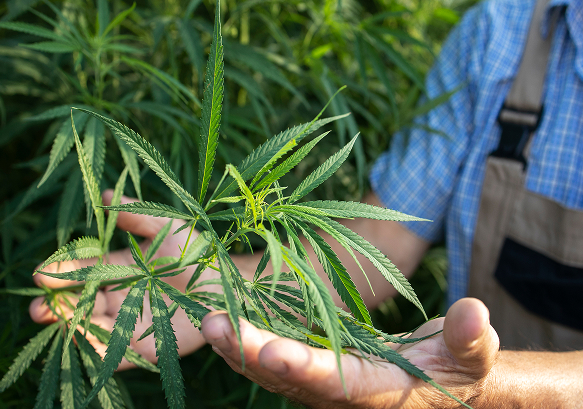
Hemp is a plant that extends far beyond a single field of use. From its seeds and fibers to its oil and the woody core of its stalk, different parts of the plant find applications in food, cosmetics, textiles, construction, and technology. What makes hemp distinctive is not only the products it can provide, but also its ability to address a wide range of needs through a single crop.
Hemp seed oil is used not only in the kitchen, but also in personal care products. Its composition, which includes unsaturated fatty acids—particularly linoleic acid—makes it suitable for formulations designed to support skin moisture and softness.
Facial and body oils, creams, lotions, and soaps are examples of such applications.

Fibers obtained from hemp stalks can be transformed into yarn, fabric, clothing, and home textiles. From traditional uses such as rope and sailcloth to modern clothing collections, these fibers are valued for their durability.
Used on its own or blended with other fibers such as cotton, hemp makes it possible to produce fabrics with a variety of textures. From shirts and bags to upholstery fabrics and curtains, it is used as a renewable textile raw material in many products.
Hemp applications also extend into our living spaces. The woody inner core of the stalk, known as hemp hurd, can be combined with a lime-based binder and water to produce the hemp-lime building material known as hempcrete.
Used together with a structural frame for infill and insulation, this material is notable for its lightweight, porous, and vapor-permeable structure. It can contribute to thermal insulation and moisture regulation.
Insulation products and boards made from hemp fibers are among the plant’s other applications in the construction sector.
The press cake remaining after oil is extracted from hemp seeds is a raw material evaluated in animal nutrition due to its protein and fiber content. It may be used for appropriate species and rations in accordance with applicable feed regulations.
Hemp hurd obtained from the woody part of the stalk is also used as animal bedding thanks to its liquid-absorbing properties. In this way, the seed can contribute to nutrition while the stalk can support the maintenance of animals’ living environments.
Hemp fibers can be combined with different materials to produce lightweight and durable composites. Interior trim and panels in the automotive industry are among the applications in which natural fibers are utilized.
Hemp also enables the use of renewable raw materials in plastics and composite products. An important distinction should be made: a material containing plant-based components is not necessarily biodegradable. Hemp’s contribution lies in its ability to provide alternative components to fossil-based raw materials.
Hemp biomass can be utilized for biogas production, while hemp seed oil can be evaluated for biodiesel production. Research in this field explores ways of obtaining energy from different parts of the plant.
In particular, converting by-products from other production processes into energy is another example of the versatile use of hemp.
Hemp is also studied in medical research. Among the natural compounds it produces, phytocannabinoids are one of the major groups investigated by scientists. CBD (cannabidiol) and THC (tetrahydrocannabinol) are the best-known members of this group.
Authorized medicines containing specific cannabinoids are used under medical supervision for defined medical indications in countries where they have been approved. This field of research and pharmaceutical development is a distinct area of expertise from the food, textile, and industrial uses of hemp.
Hemp seed oil and CBD oil are not the same. Hemp seed oil is obtained by extracting oil from the seeds and is a different product from extracts containing CBD. The nutritional value of hemp seeds should not be confused with the role of cannabinoids in medical research.
Head Office: Akdeniz Mah. Cumhuriyet Bulvarı No: 120
Konak, İzmir, TURKEY 35210
Production Facility: Narlıdere – İzmir
+90 232 700 18 24
info@www.powerseed.com.tr
© 2026 YELBİS. All rights reserved.
Powerseed and AsaBotanica are brands developed by YELBİS.